Deer-Resistant Landscaping Ideas for Rochester Hills Homeowners
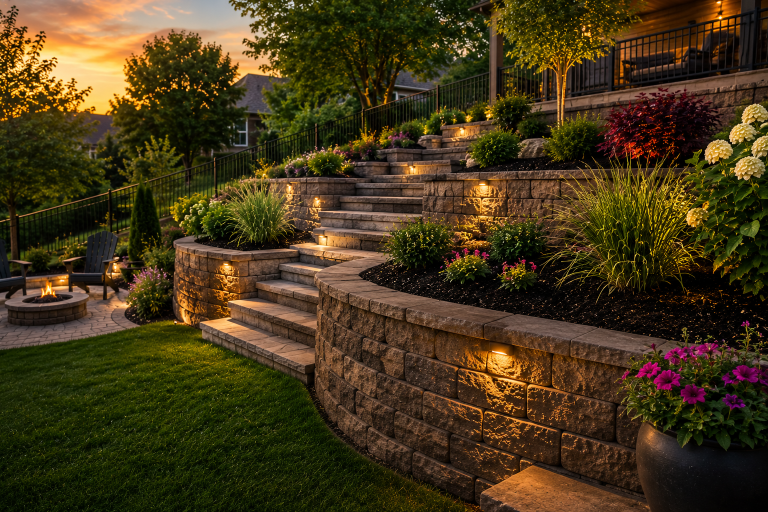
Deer-resistant landscaping Rochester Hills homeowners can live with starts with realistic expectations. No plant is completely deer-proof, especially during a hard winter or when food is scarce. However, thoughtful plant selection, layered design and seasonal protection can greatly reduce browsing while keeping a yard polished and welcoming.
Rochester Hills properties often combine wooded edges, established deer routes, clay-heavy soil and changing moisture levels. A successful plan responds to all four conditions instead of relying on a short list of so-called resistant plants.
How deer-resistant landscaping in Rochester Hills works
Deer usually avoid plants with strong fragrance, fuzzy or coarse leaves, thorns, or toxic compounds. Still, pressure varies from one neighborhood to the next. Young plants and fresh spring growth are often more tempting than established specimens.
Start by observing where deer enter, rest and travel. Then place the most vulnerable plants closer to active areas near the house. Use less appealing shrubs and perennials along property edges and common travel paths.
Build a layered plant palette
- Structural shrubs: boxwood, inkberry holly, juniper and selected viburnums can provide year-round form.
- Fragrant plants: catmint, allium, lavender and Russian sage often discourage browsing in sunny, well-drained areas.
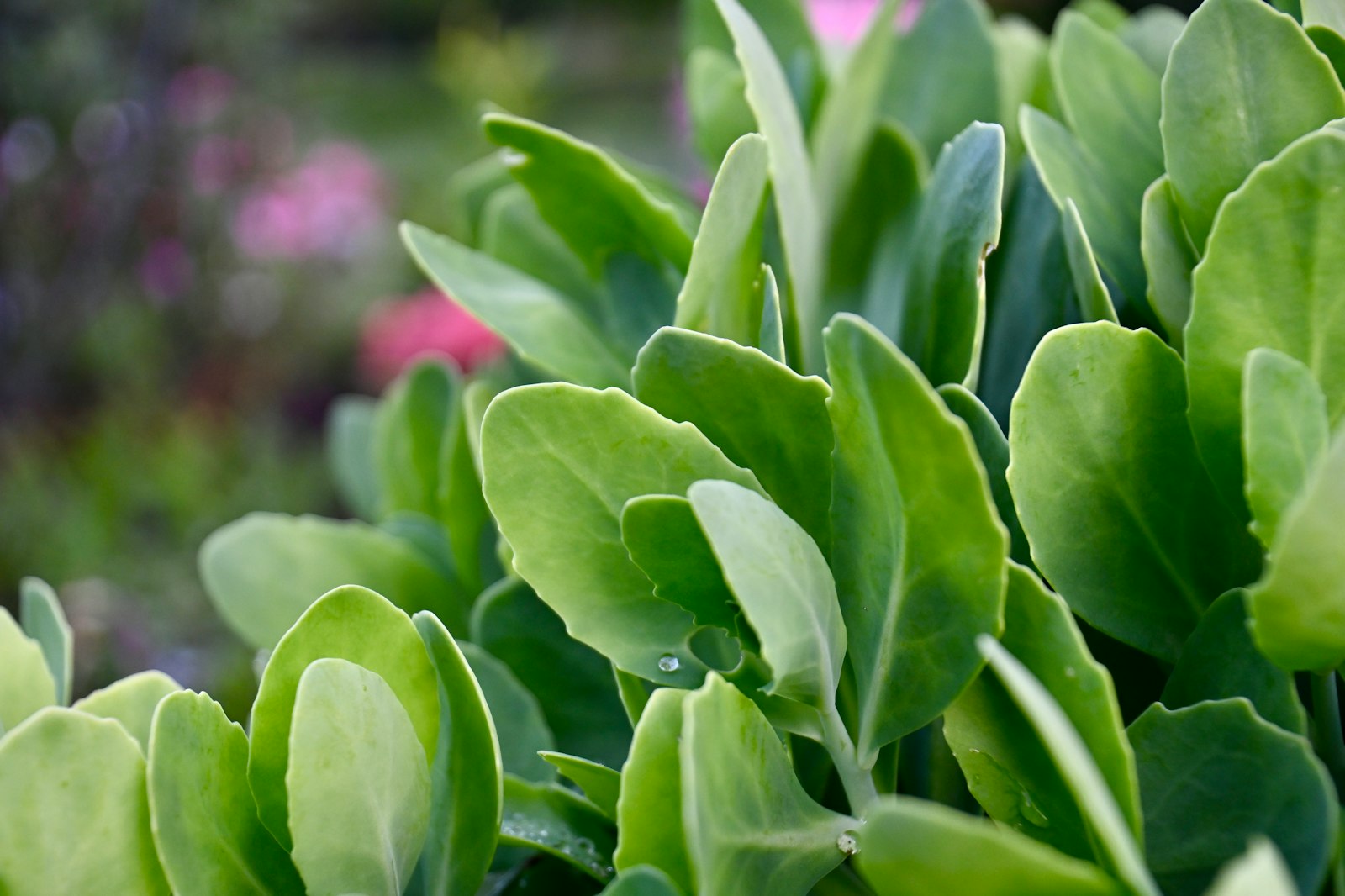
- Textured perennials: ornamental grasses, yarrow, lamb’s ear and ferns add contrast without becoming an obvious buffet.
- Shade choices: hellebores, epimedium and many ferns can perform well beneath mature trees when soil moisture is appropriate.
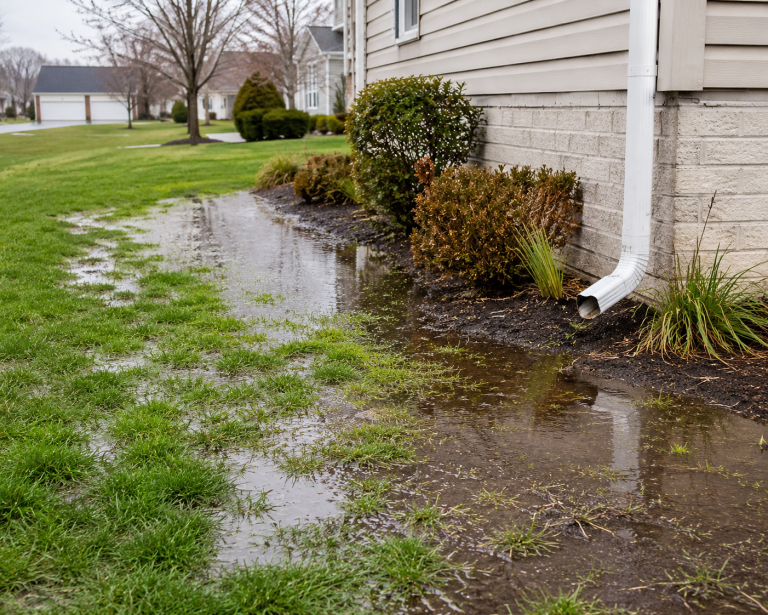
Plant performance depends on light, drainage and soil preparation. Southeast Michigan clay can hold water after heavy rainfall, yet become hard during summer heat. Andy’s team evaluates those conditions through a complete landscape design process before choosing plants.
Design strategies that reduce deer damage
A mixed landscape is usually more resilient than a bed filled with one species. Repeating a smaller set of dependable plants creates visual rhythm while limiting the risk that one browsing event ruins the entire composition.
Physical barriers also matter. Decorative fencing, gates and dense perimeter planting can redirect movement. Temporary netting may protect young shrubs through their first winters. Repellents can help, but they need rotation and reapplication according to the label, especially after rain.
Winter deserves special attention. Snow cover limits natural food, while road salt and freeze-thaw cycles add stress. Place salt-sensitive plants away from plowed snow piles. Protect young trunks from rubbing and browsing before deer pressure peaks.
Choose plants for the site, not just the deer list
A plant that deer ignore can still fail in compacted clay or a poorly drained bed. Match each selection to its mature size, sun exposure, moisture needs and the home’s architecture. Native species may support wildlife and seasonal interest, but they also need the right site. Michigan State University Extension offers useful guidance on choosing native trees and shrubs.
Professional installation also protects the design investment. Proper grading, soil improvement, planting depth and mulch placement give roots a stronger start. See how Andy’s handles complete landscape construction, or browse the landscape portfolio for ideas.
Protect young plants while the design matures
Newly installed plants need extra attention because tender growth sits within easy reach. Temporary protection can bridge the gap while shrubs gain size and a layered bed becomes established. Check guards and netting often so they do not rub bark or trap snow.
Keep notes about which plants are browsed and when. That local record is more useful than a universal list because deer behavior changes by street and season. During future updates, repeat the plants that perform well and replace persistent targets with choices that serve the same design role.
Frequently asked questions
No. Deer may sample almost any plant when pressure is high. The goal is to use less-preferred plants and practical protection to reduce damage.
Many will, when they are hardy for the site and planted correctly. Drainage, wind exposure, salt and freeze-thaw cycles remain important.
Yes. Allium, catmint, yarrow and other flowering choices can add color. Plant selection should reflect the property’s sun, soil and deer pressure.
Plan a more resilient Rochester Hills landscape
Ready to create a beautiful yard that responds to local deer pressure? Schedule a consultation with Andy’s Landscape Services for your Rochester Hills or Southeast Michigan property. Call (248) 837-0683 or contact our landscape team.