How Proper Grading Protects Your Home from Water Damage
Water will always follow the easiest path. If your yard is graded toward the house, water can collect near the foundation, sit in low lawn areas, wash out mulch, and create ongoing maintenance problems. Proper grading helps control where water goes and can protect both the landscape and the home.
What Grading Means
Grading is the shaping of soil so water moves in the right direction. Around a home, the ground should generally slope away from the foundation. Across the yard, grading should guide water toward safe drainage areas instead of allowing it to sit in lawn, beds, patios, or walkways.
Signs the Grade May Be Wrong
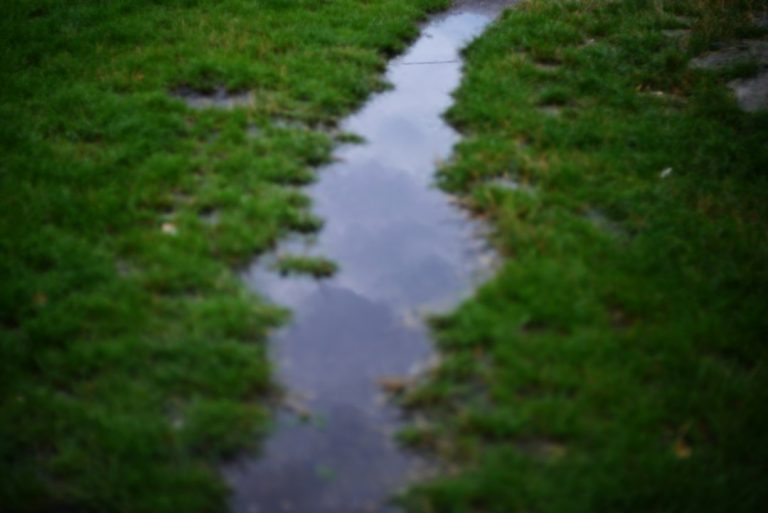
Common warning signs include puddles that remain for more than a day, soft or muddy areas, mulch washing onto sidewalks, water near basement walls, uneven lawn growth, and ice buildup in winter. These issues may look small at first, but they can point to a larger drainage pattern.
Why Water Near the Foundation Is a Problem
When water collects near the house, it can place pressure on foundation walls and increase the chance of damp basement conditions. It can also create soil movement, erosion, and damage to nearby plantings. Keeping water away from the home is one of the most important reasons to correct grading problems.
How Grading Affects Landscaping
Poor grading can damage landscape beds, drown plants, expose roots, and create thin or patchy lawn areas. It can also wash mulch out of beds and leave soil or debris on walkways. When grading is done properly, the whole landscape is easier to maintain.
Grading and Hardscapes
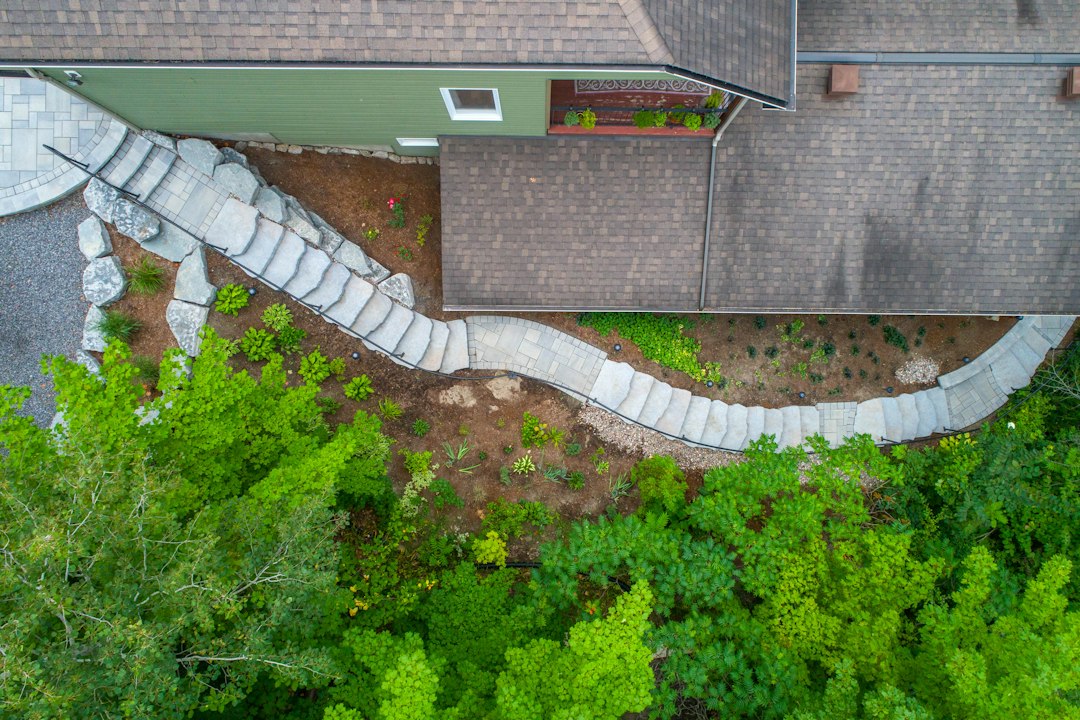
Patios, walkways, retaining walls, and steps all need proper pitch and drainage. If water sits on or around hardscapes, it can create settling, slippery surfaces, and freeze and thaw damage. Grading should be planned before hardscape installation, not treated as an afterthought.
Drainage Solutions May Be Needed
Some yards need more than soil shaping. Downspout extensions, swales, drain tile, dry creek beds, retaining walls, or redesigned beds may be part of the solution. The right approach depends on the property, soil, slope, and where the water is coming from.
Fix Problems Before They Grow
Fall is a smart time to evaluate grading because rain often reveals problem areas. Correcting drainage before winter can reduce ice buildup and help the yard recover better in spring.
If you notice standing water, washouts, damp basement walls, or lawn areas that never seem to dry, contact Andy’s Landscape Services. Our team can assess your property and help create a grading and drainage plan that protects your home and landscape.