Signs Your Yard Needs Better Drainage Before Winter
Meta Title: Yard Drainage Problems Before Winter in Michigan
Meta Description: Learn the warning signs of poor yard drainage before winter, including standing water, washout, and damp basement walls.
Water problems in the yard rarely fix themselves. If rainwater is pooling, washing mulch into the lawn, collecting near the foundation, or leaving soft spots that never seem to dry, your property may need better drainage before winter. In Michigan, drainage problems can become more serious once freezing temperatures, snow, and thaw cycles arrive.
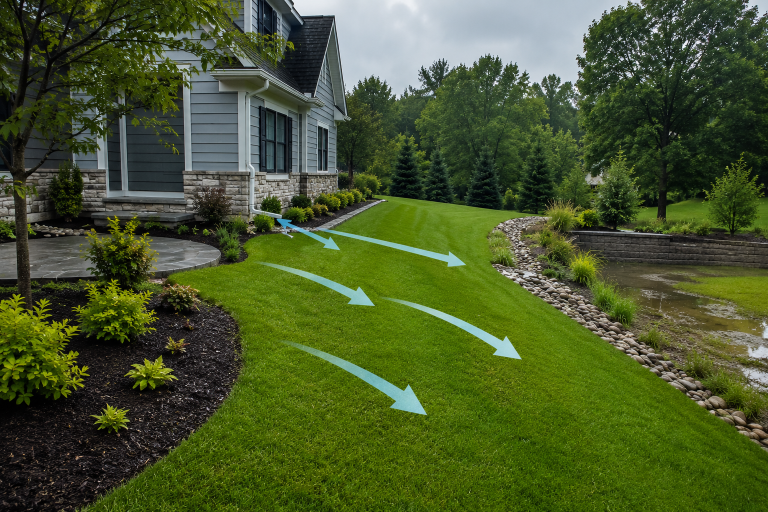
A well-designed landscape should move water away from the house and through the property in a controlled way. When the grade is working against the home, water can damage planting beds, weaken hardscape areas, create ice hazards, and add pressure near basement walls. At Andy’s Landscape Services, drainage and grading are an important part of building landscapes that look good and perform correctly.
Standing Water After Rain
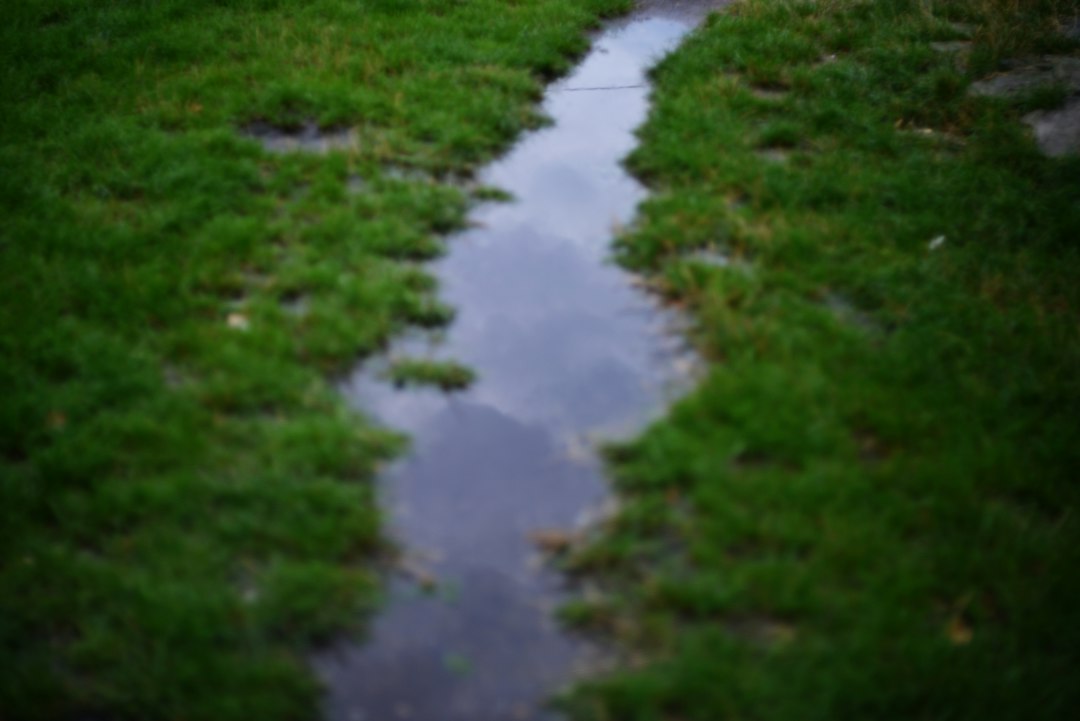
One of the clearest drainage warning signs is standing water that remains for a day or more after rain. A small puddle during a storm is normal. Water that sits for 24 hours or longer may indicate compacted soil, low spots, improper slope, or a drainage path that has been blocked.
These areas can become muddy, attract mosquitoes during warmer months, and freeze into slick patches once temperatures drop. If standing water is close to the house, patio, walkway, or driveway, it should be addressed before it causes more damage.
Mulch or Soil Washing Out of Beds
If mulch regularly washes onto sidewalks, driveways, patios, or lawn areas, water is moving too aggressively through the bed. This can happen when beds are sloped incorrectly, edging is not controlling flow, downspouts are discharging in the wrong place, or the landscape lacks proper drainage paths.
Washout does more than make the property look messy. It can expose plant roots, erode soil, and create maintenance issues after every heavy rain. Fixing the grade or redirecting water can help protect the beds and keep the landscape cleaner.
Damp Basement Walls or Water Near the Foundation
Water near the foundation is one of the most important signs to take seriously. Damp basement walls, musty smells, or visible water after storms may indicate that surface water is collecting too close to the house. Landscaping should be graded so water moves away from the structure, not toward it.
Sometimes the issue is caused by settling soil near the foundation. Other times, patios, walkways, beds, or downspouts may be directing water into the wrong area. A professional assessment can help identify the real cause and determine the right correction.
Soft Lawn Areas and Uneven Grade
Soft, soggy lawn areas can point to poor drainage below the surface. If certain spots stay wet long after the rest of the yard dries, the grade may need to be adjusted or water may need a better path out of the area. This is especially important before winter because saturated soil can shift, freeze, and create uneven surfaces.
Fix Drainage Before It Affects the Rest of the Landscape
Drainage should be considered before adding new patios, walls, planting beds, or lawn improvements. Building on top of a water problem can lead to future repairs. When drainage is handled correctly, the rest of the landscape has a stronger foundation.
If your yard has standing water, washout, soggy areas, or foundation concerns, contact Andy’s Landscape Services. Visit andyslandscapes.net or call (248) 837-0683 to schedule a drainage assessment.