How to Prepare Your Michigan Landscape for Fall: A Complete Fall Landscaping Checklist
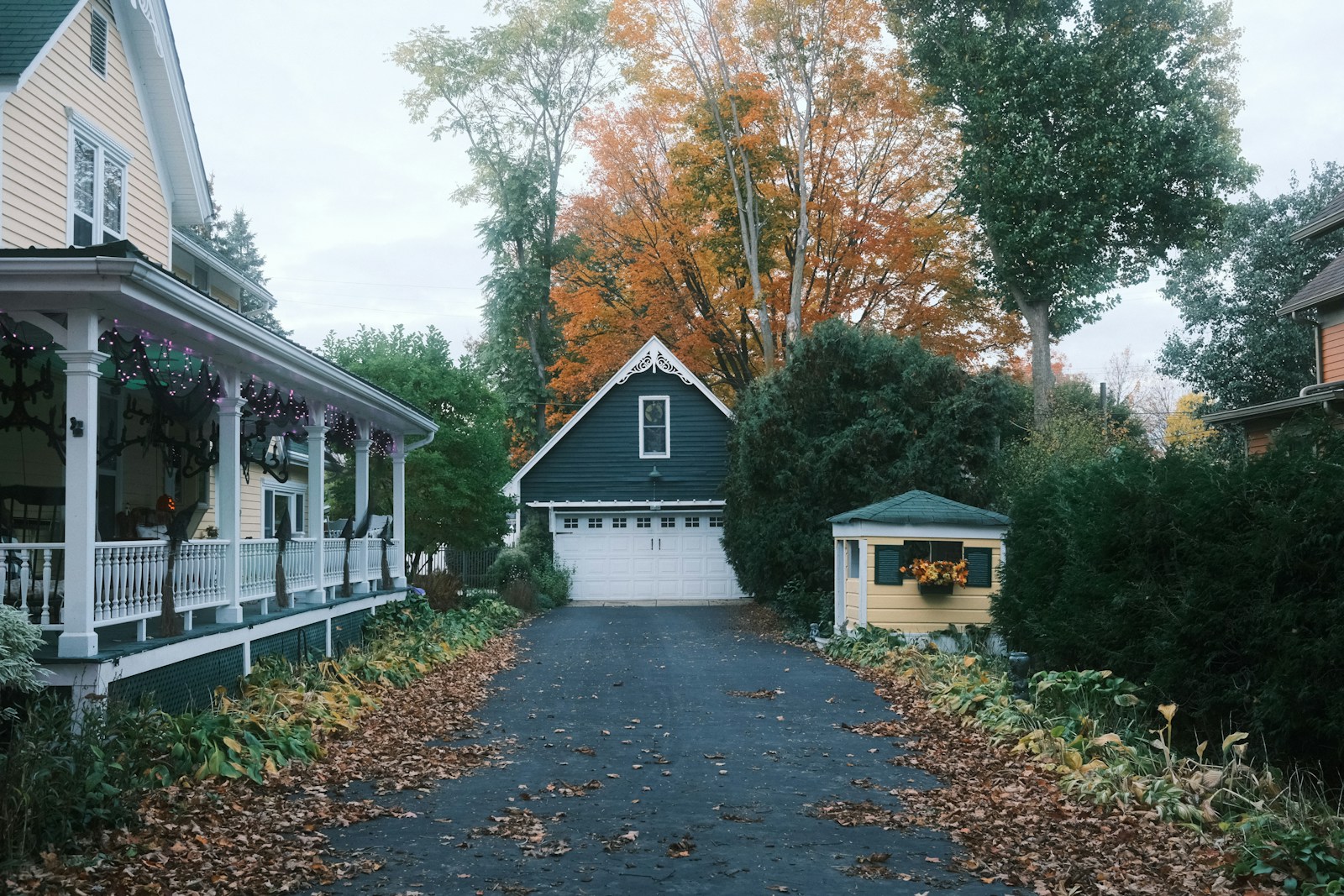
Fall is one of the most important seasons for landscape care in Michigan. Cooler temperatures, falling leaves, shorter days, and the approach of freezing weather all signal that it is time to prepare your lawn, planting beds, trees, shrubs, irrigation system, and outdoor living areas for winter.
A thoughtful fall landscaping checklist does more than improve curb appeal. It can protect plants, reduce winter damage, support healthier spring growth, and help prevent small maintenance issues from becoming expensive repairs. Use the steps below to prepare your Michigan landscape before the first hard freeze.
1. Clean Up Leaves and Landscape Debris
Remove heavy layers of fallen leaves from lawns, walkways, patios, drainage areas, and planting beds. A thick mat of wet leaves can block sunlight and airflow, trap moisture against the grass, and create favorable conditions for turf disease.
Leaves can be mulched into the lawn when the layer is light and the pieces are finely chopped. Larger amounts should be collected for composting or removal. Clear sticks, spent annuals, and other debris at the same time so the property looks clean and drainage paths remain open.
2. Give the Lawn a Strong Finish
Continue mowing while the grass is actively growing. Avoid cutting it extremely short before winter, since scalping can stress the turf and leave it more exposed to cold conditions. A final mowing at the proper height helps prevent the grass from matting beneath snow.
Fall is also a valuable time to address compacted soil, thin areas, and nutrient needs. Depending on the condition of your lawn, core aeration, overseeding, and a suitable fall fertilizer may help establish stronger roots. Timing matters, especially for seed, so plan these tasks early enough for new grass to become established before freezing weather arrives.
3. Edge, Weed, and Refresh Landscape Beds
Pull weeds before they drop additional seeds, define bed edges, and remove diseased or heavily damaged plant material. Clean borders create a polished appearance and make spring maintenance easier.
Check the depth of mulch around trees and shrubs. A modest, even layer helps insulate roots and retain moisture, but excessive mulch can hold too much moisture against stems and trunks. Keep mulch pulled back from the base of plants and avoid forming mulch volcanoes around trees.
4. Cut Back Perennials Selectively
Not every perennial needs to be cut to the ground in fall. Remove diseased foliage and plants that become soft or messy after frost. Healthy ornamental grasses, sturdy seed heads, and selected perennials can sometimes remain through winter to add texture and provide habitat for birds and beneficial insects.
When you are unsure, consider the plant variety and its condition. Clean tools between diseased plants to reduce the chance of spreading problems throughout the landscape.
5. Prepare Trees and Shrubs for Cold Weather
Inspect trees and shrubs for dead limbs, crossing branches, storm damage, or signs of disease. Dead or hazardous branches should be evaluated before winter winds and heavy snow add extra stress. Avoid aggressive pruning simply because the season is changing. The right pruning schedule depends on the plant species and whether it blooms on old or new growth.
Continue watering newly planted trees and shrubs during dry fall weather until the ground freezes. Their root systems still need moisture, even after visible top growth slows. Young or vulnerable plants may also benefit from appropriate winter protection in exposed locations.
6. Plant for Spring Color
Fall is the season to plant many spring-flowering bulbs. Tulips, daffodils, crocuses, and similar bulbs need a cold period before blooming. Place them in well-drained locations and follow the recommended planting depth for each variety.
It can also be a good time to plan future improvements. If certain areas lacked color, structure, privacy, or year-round interest this season, document those needs now. Andy’s Landscape Services can help turn those observations into a cohesive plan through our landscape design services.
7. Check Drainage Before Winter
Michigan freeze-and-thaw cycles can make drainage problems more noticeable. Look for standing water, soggy turf, eroded soil, overflowing downspout areas, and places where water collects near the foundation, patios, or walkways.
Clear leaves from drains and drainage channels. If water consistently moves in the wrong direction, professional grading or drainage improvements may be needed. Addressing the source can protect the lawn, planting beds, and hardscape through winter and spring snowmelt. Learn more about our complete landscape services for Southeast Michigan properties.
8. Winterize Irrigation and Outdoor Water Features
Water left inside irrigation lines, backflow devices, hoses, or certain outdoor features can freeze, expand, and cause damage. Disconnect and drain garden hoses, shut down seasonal water features as appropriate, and have irrigation systems winterized before sustained freezing temperatures arrive.
Because systems vary, follow the manufacturer’s guidance or work with an experienced professional. Proper winterization is much easier than repairing split lines and damaged components in spring.
9. Protect Patios, Walkways, and Outdoor Features
Sweep leaves and debris from patios, steps, walkways, retaining walls, and outdoor living areas. Check for loose pavers, open joints, settling, cracks, or drainage concerns. Store lightweight furniture and décor that could be damaged or moved by winter weather.
Use deicing products carefully during winter because some materials can damage masonry, plants, or nearby turf. If a hardscape area needs repair or improvement, explore our hardscaping services.
10. Schedule Fall Landscape Maintenance Early
Fall cleanup can become a large project when a property has mature trees, extensive beds, irrigation, or multiple outdoor features. Scheduling professional service early helps ensure the work is completed before freezing temperatures and winter weather arrive.
Quick Michigan Fall Landscaping Checklist
- Remove excess leaves and debris
- Continue mowing while grass is growing
- Aerate, overseed, or fertilize when appropriate
- Weed and edge landscape beds
- Refresh mulch without piling it against trunks
- Cut back diseased or damaged plant material
- Water newer trees and shrubs during dry weather
- Plant spring-flowering bulbs
- Clear drains and inspect problem areas
- Winterize irrigation and outdoor water components
- Clean and inspect patios, walkways, and retaining walls
- Store or secure seasonal furniture and décor
Prepare Your Landscape with Andy’s Landscape Services
A well-timed fall cleanup helps protect the beauty, health, and function of your outdoor space. Andy’s Landscape Services provides professional landscape design, construction, and maintenance services for homeowners throughout Southeast Michigan.
Ready to prepare your property for the season or plan your next landscape improvement? Contact Andy’s Landscape Services today to discuss your property and request a consultation.