What Is Plant Health Care and Does Your Michigan Landscape Need It?
Plant health care Michigan properties benefit from is a proactive approach to caring for trees, shrubs and landscape beds. Instead of reacting to every symptom with a treatment, plant health care looks at the entire system: plant selection, soil, water, weather, maintenance, pests and disease.
The goal is not a perfect landscape or a promise that problems will never occur. It is earlier detection, better cultural care and more targeted decisions. That approach is especially useful in Southeast Michigan, where clay soil, freeze-thaw cycles, summer heat, heavy rain and winter salt can create overlapping symptoms.
What plant health care in Michigan includes
A plant health care program typically begins with inspection and accurate identification. Yellow leaves may point to root stress, poor drainage, nutrient availability, insect activity or several factors at once. Treating the wrong cause wastes time and may add stress.
- Routine monitoring: Check foliage, bark, growth, roots and site conditions through the season.
- Proper watering: Adjust irrigation for rainfall, soil and plant maturity.
- Soil and mulch care: Protect roots without piling mulch against trunks.
- Selective pruning: Remove damaged growth and improve structure at the appropriate time.
- Targeted response: Use treatment only when the diagnosis and action threshold support it.
This prevention-first approach aligns with integrated pest management. Michigan State University Extension maintains integrated pest management resources that emphasize monitoring and informed action.
Common signs your landscape needs attention
One unusual leaf is rarely an emergency. Patterns matter more. Watch for symptoms that spread, persist or affect several plants in the same area.
- Thinning canopy or noticeably reduced annual growth
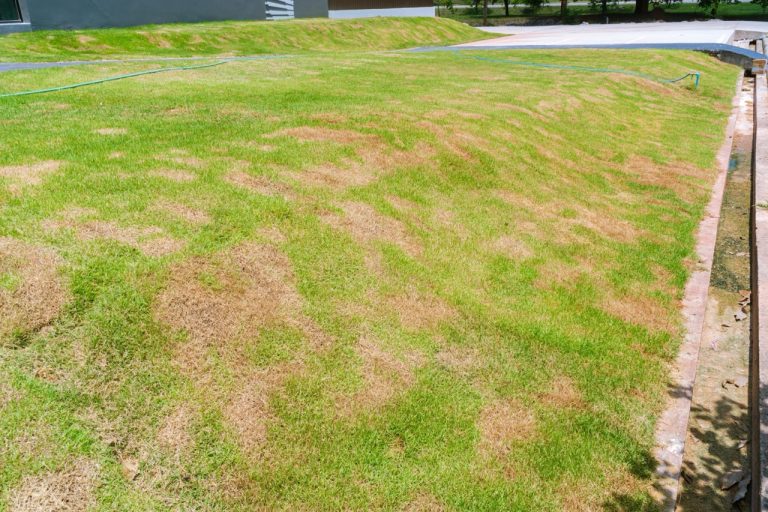
- Repeated early leaf drop, discoloration or scorched edges
- Dead branches, cracks, cankers or peeling bark
- Sticky residue, webbing, scale-like bumps or unusual insect activity
- Standing water, exposed roots or soil pulling away from the root ball
- Damage concentrated near roads, driveways or snow-storage areas
Take clear photos and note when symptoms began. Also consider recent construction, irrigation changes, storms and deicing salt. These details help distinguish a pest problem from environmental stress.
Why local conditions complicate diagnosis
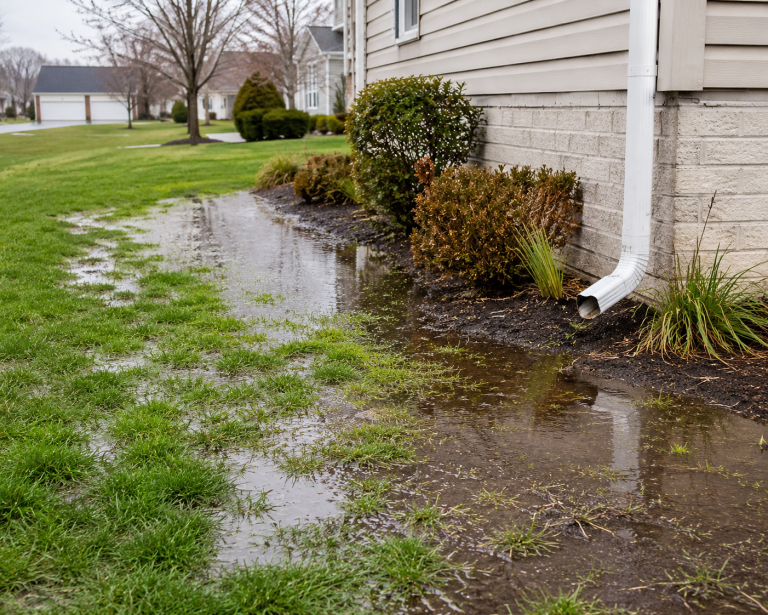
Heavy clay can stay saturated after spring rain, limiting oxygen around roots. Later, the same soil may become hard and dry during summer. Plants stressed below ground can show leaf symptoms that resemble disease.
Winter brings additional stress. Freeze-thaw cycles, drying wind and salt spray can damage tissue. Deer browsing may remove buds or distort new growth. Because these pressures overlap, a site-based evaluation is more reliable than matching one photo to a symptom chart.
Plant health starts with design and maintenance
The best time to prevent many problems is before installation. Plants should match available light, drainage, soil and mature space. Proper planting depth and root-zone preparation support establishment. Diverse planting also reduces the risk that one issue affects the entire property.
After installation, consistent bed care matters. Andy’s landscape maintenance services support pruning, cleanup and ongoing presentation, while the landscape design process helps put suitable plants in suitable locations.
When to request a professional evaluation
Request help when symptoms worsen quickly, affect a valuable tree, appear across several plants or follow a major site change. A professional can evaluate drainage, soil, planting depth, maintenance history and visible pest signs together.
Not every issue needs treatment. Sometimes the right response is improved watering, mulch correction, selective pruning or patience. If a pesticide is appropriate, identification, label directions and timing are essential. Avoid routine applications without a clear reason.
A seasonal record of photos, weather and maintenance can make future diagnosis faster. Note unusual rainfall, salt exposure and when symptoms first appear.
Frequently asked questions
No. Fertilization is only one possible tool. Plant health care begins with monitoring, diagnosis and site conditions.
Seasonal observation is useful, with extra attention after storms, construction, drought or sudden symptom changes.
Yes. Healthy plants can still face pests or disease, but appropriate site care may improve their ability to tolerate stress.
No. Identify the pattern and cause before acting. Minor cosmetic damage may not justify treatment.
Support a healthier Michigan landscape
Concerned about declining shrubs, stressed trees or recurring bed problems? Schedule a consultation with Andy’s Landscape Services for your Southeast Michigan property. Call (248) 837-0683 or contact our landscape team.