Should You Repair or Replace Your Brick Paver Patio?
Deciding whether to repair or replace a brick paver patio in Michigan starts with one question: Is the problem limited to a few areas, or has the installation failed as a complete system? The answer depends on the base, drainage, paver condition, layout, and your plans for the space.
A professional inspection can separate cosmetic wear from structural movement. That distinction helps homeowners invest in the right level of work instead of repeating a temporary fix.
When brick paver patio repair makes sense
Repair is often a practical option when most of the patio is stable. A contractor may be able to lift and reset a defined area while preserving the original design.
- A small section has settled or developed a trip point.
- Edge pavers have moved, but the main field remains level.
- Joint material has washed out in limited areas.
- A few pavers are cracked, stained, or damaged.
- Water collects in one correctable low spot.
- The existing size and layout still meet your needs.
In these cases, the work may include lifting pavers, rebuilding the affected base, correcting pitch, reinstalling edge restraint, and restoring the joints.
When patio replacement may provide better value
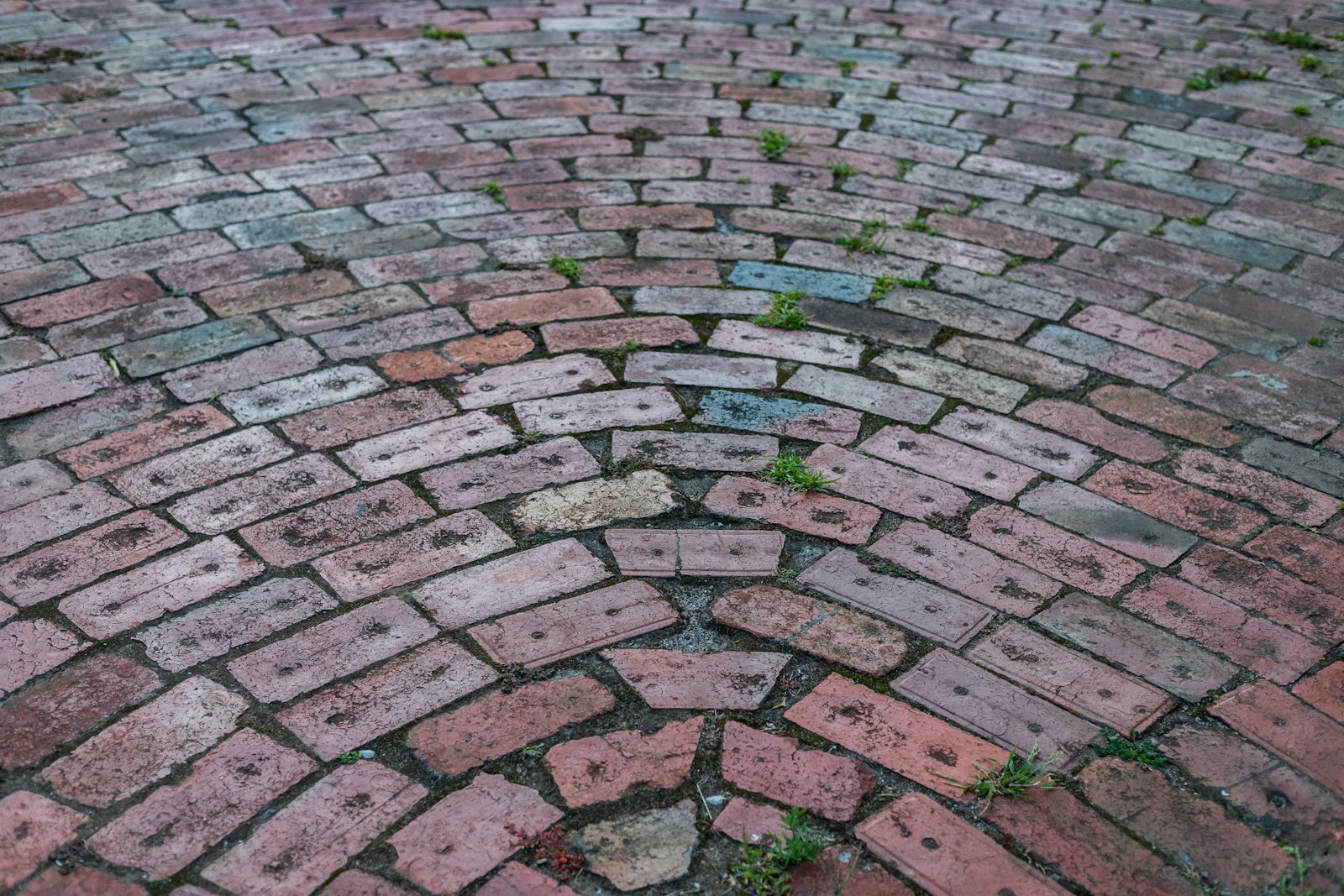
Replacement becomes more reasonable when failures appear throughout the patio. Widespread settlement can indicate an inadequate base, drainage problems, or years of movement caused by saturated soil and freeze-thaw cycles.
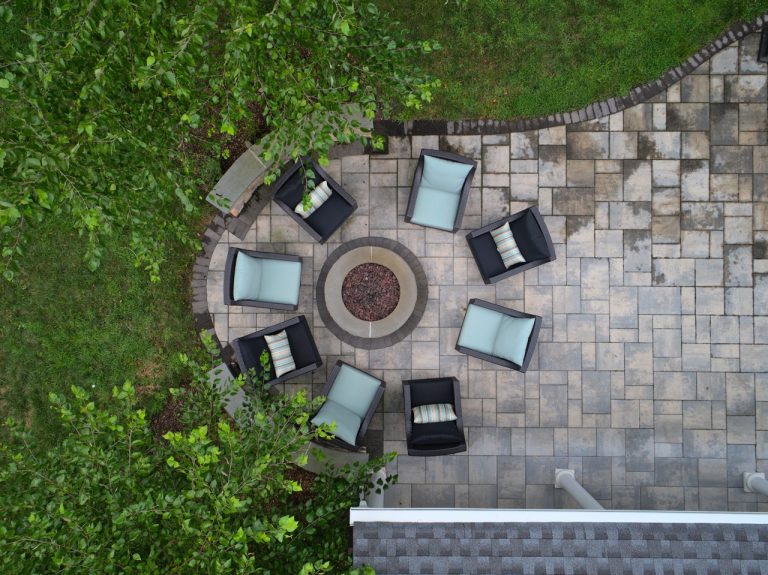
A complete rebuild may also be appropriate when the patio is too small, has awkward traffic patterns, or no longer supports how you use the backyard. This creates an opportunity to coordinate seating, cooking, steps, lighting, planting, and water management through one landscape design.
Repair or replace a brick paver patio after drainage problems?
Drainage should be reviewed before either choice. Water that runs toward the house, remains on the surface, or saturates the base can damage even attractive pavers. Reinstalling the same surface without correcting runoff may allow the movement to return.
A coordinated design-build team can adjust grading, pitch, collection points, and surrounding landscape elements as part of the construction plan. The goal is a patio that fits the property, not an isolated surface repair.
Questions to ask before making the decision
- How much of the patio is actually unstable?
- Is the aggregate base deep, compacted, and draining correctly?
- Can the existing pavers be reused or matched?
- Does the patio need new steps, walls, lighting, or seating?
- Will a repair correct the cause or only improve the appearance?
- Do you expect your outdoor living needs to change soon?
Frequently asked questions
Can an older patio be expanded instead of replaced?
Sometimes. The existing patio must be assessed for stability, and the new base, paver thickness, color, pattern, and elevations must connect cleanly with the original work.
Does every uneven paver indicate base failure?
No. Tree roots, edge movement, concentrated runoff, utility work, and isolated compaction issues can cause local movement. An inspection helps identify the likely source.
Can a new design reuse existing pavers?
Usable materials may sometimes be incorporated into a redesigned patio. Their condition, quantity, dimensions, and compatibility with new materials determine whether reuse is practical.
To compare repair and replacement options for your Southeast Michigan property, call Andy’s Landscape Services at (248) 837-0683 or request a consultation.