Why Water Pools in Your Yard After Heavy Fall Rain
Standing water in yard Michigan homeowners see after heavy fall rain usually points to a problem with grading, soil, runoff or drainage capacity. The puddle is the symptom. Finding where the water originates and why it cannot leave is the first step toward a lasting solution.
Southeast Michigan properties commonly have clay-heavy soil. Clay holds water and absorbs it slowly, especially when construction, foot traffic or equipment has compacted the surface.
Why is there standing water in your Michigan yard?
The yard contains a low spot
Water follows gravity. Even a shallow depression can collect runoff from a much larger area. Low spots may be part of the original grade or develop as soil settles around buried utilities, old tree roots and previous construction.
Clay or compacted soil absorbs water slowly
Heavy soil can remain saturated after repeated autumn storms. Compaction reduces pore space, making infiltration even slower. Adding topsoil only at the puddle may redirect water elsewhere without correcting the underlying grade.
Roof runoff is concentrated in one area
A roof sheds a large amount of water during a storm. Short downspouts, disconnected extensions or outlets aimed toward low ground can overwhelm a lawn or planting bed. The discharge should move away from the foundation to an appropriate location.
Other causes of lawn pooling
- Leaves or debris blocking a catch basin
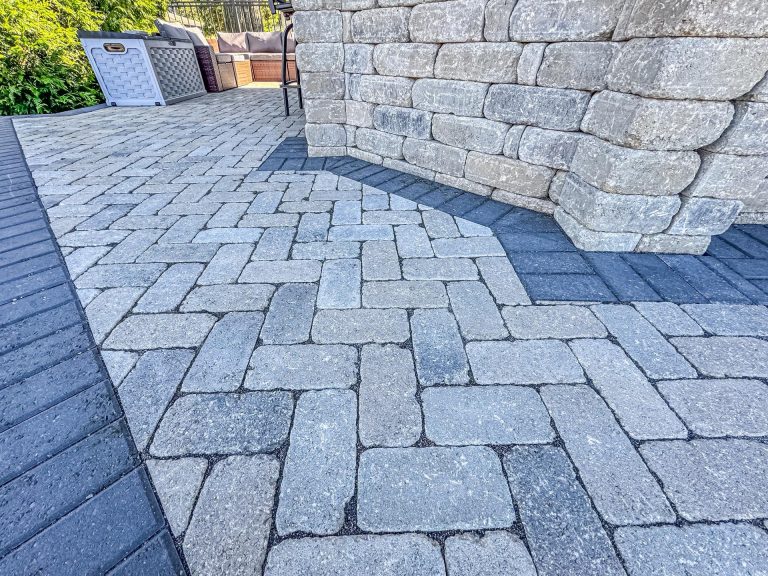
- A settled patio or walkway directing water toward the lawn
- An irrigation zone running too long for clay soil
- A damaged, clogged or undersized drainage line
- Runoff crossing the property from higher ground
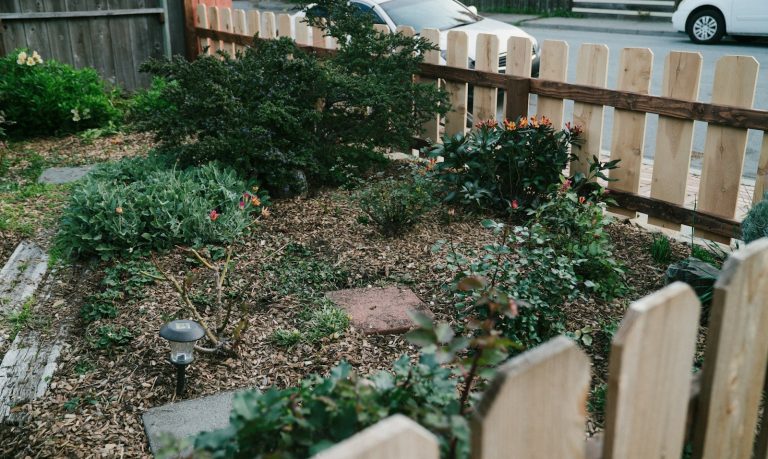
- Landscape edging unintentionally trapping water
- A high seasonal water table or broader neighborhood drainage issue
Observe the area while it rains, when safe. Note whether water arrives from a downspout, hard surface, slope or adjacent property. Photograph the pattern immediately after rainfall and again several hours later.
Why standing water should not be ignored
Persistently wet soil can thin turf, encourage muddy conditions and stress landscape plants. Runoff may erode beds and carry mulch across walks. When temperatures drop, water crossing paved areas can freeze and create slippery surfaces.
Pooling near a home deserves prompt attention because it may keep soil beside the foundation saturated. However, the visible puddle does not automatically reveal the full cause, so a site review is more useful than choosing a drainage product first.
How professionals diagnose the problem
A drainage evaluation considers property elevations, soil conditions, downspouts, hard surfaces, utilities and available outlet points. The solution may involve regrading, a swale, downspout work, catch basins, underground drainage or a rain garden.
Oakland County notes that rain gardens can capture runoff in shallow planted depressions when the site is suitable. Other properties need a different approach. The design must manage water without sending the problem toward a neighbor or another structure.
Andy’s provides grading and drainage services as part of coordinated landscape construction throughout Southeast Michigan.
When to request professional help
Request an evaluation when water remains long after ordinary rain, repeatedly reaches paved areas or collects close to the house. Also seek help when wet areas keep expanding, turf continues to thin or soil erosion becomes visible.
Addressing the source early can make the repair easier to coordinate with future patios, planting beds, lawn restoration or other landscape improvements.
Frequently asked questions
Will adding soil fix a low spot?
It may help in some cases, but added soil can redirect water to another area. The surrounding grade and outlet must be considered.
Do I automatically need a French drain?
No. French drains work in certain conditions, while other properties need surface grading, downspout correction or another solution.
Can overwatering cause pooling?
Yes. Irrigation that applies water faster than clay soil can absorb it may create runoff and temporary ponding.
Find the source of your drainage problem
Stop guessing about the wet area in your yard. Call Andy’s Landscape Services at (248) 837-0683 or schedule a landscape drainage consultation for your Michigan property.