How to Combine Hardscaping and Softscaping for a Finished Look
The best landscapes feel complete. A patio by itself can look unfinished. Planting beds without structure can feel loose or disconnected. When hardscaping and softscaping are planned together, the result is more polished, more functional, and more connected to the home.
Hardscaping includes the built elements of the landscape, such as patios, walkways, retaining walls, steps, fire features, outdoor kitchens, boulder walls, and paver driveways. Softscaping includes the living elements, such as trees, shrubs, perennials, ornamental grasses, lawn, mulch, and seasonal color. Each side plays a different role, but they work best when they are designed as one system.
At Andy’s Landscape Services, we approach landscape projects with both structure and softness in mind. The goal is not just to install a patio or plant a few shrubs. The goal is to create an outdoor environment that feels intentional from the house to the edge of the property.
Start With the Main Function
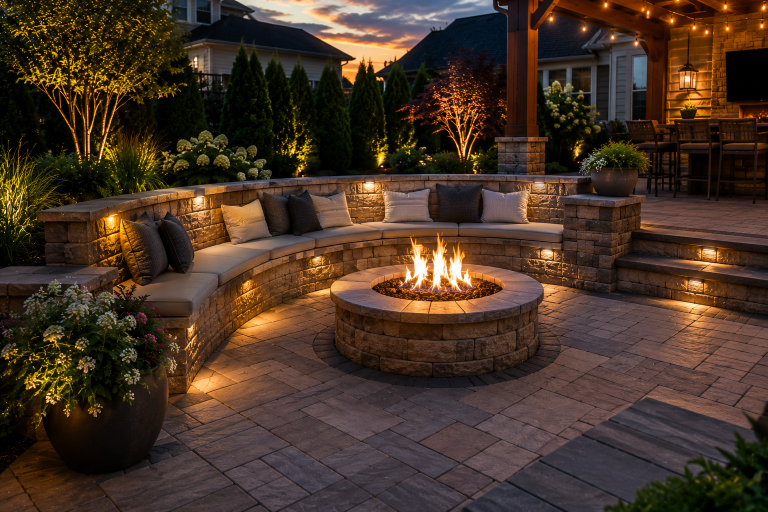
Before choosing materials or plants, it helps to define how the space should be used. Do you want an outdoor dining area? A fire lounge? A quiet garden? A poolside entertaining zone? A front entry that improves curb appeal? The function should guide both the hardscape layout and the surrounding plantings.
A patio designed for dining may need a direct connection to the kitchen or grill area. A walkway should guide people naturally between entrances. A retaining wall should solve the grade issue while also creating clean planting opportunities. When the function is clear, every design decision becomes easier.
Use Hardscape to Create Structure
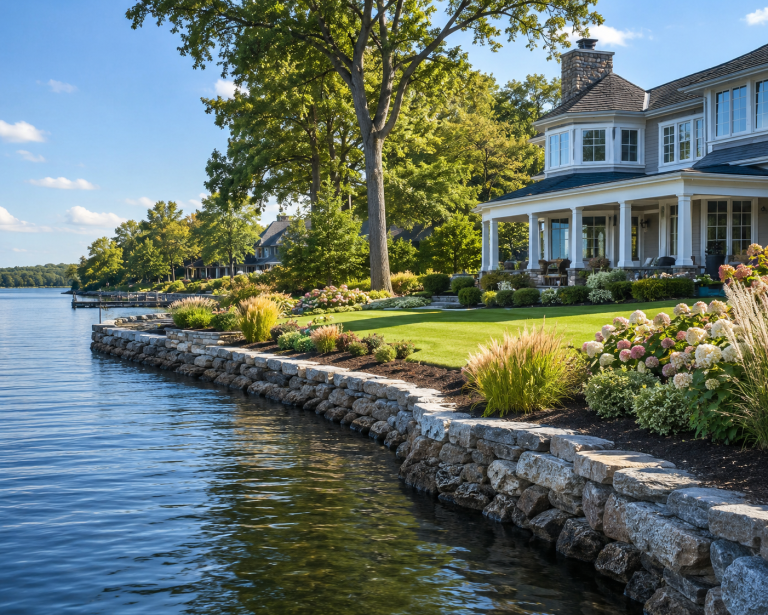
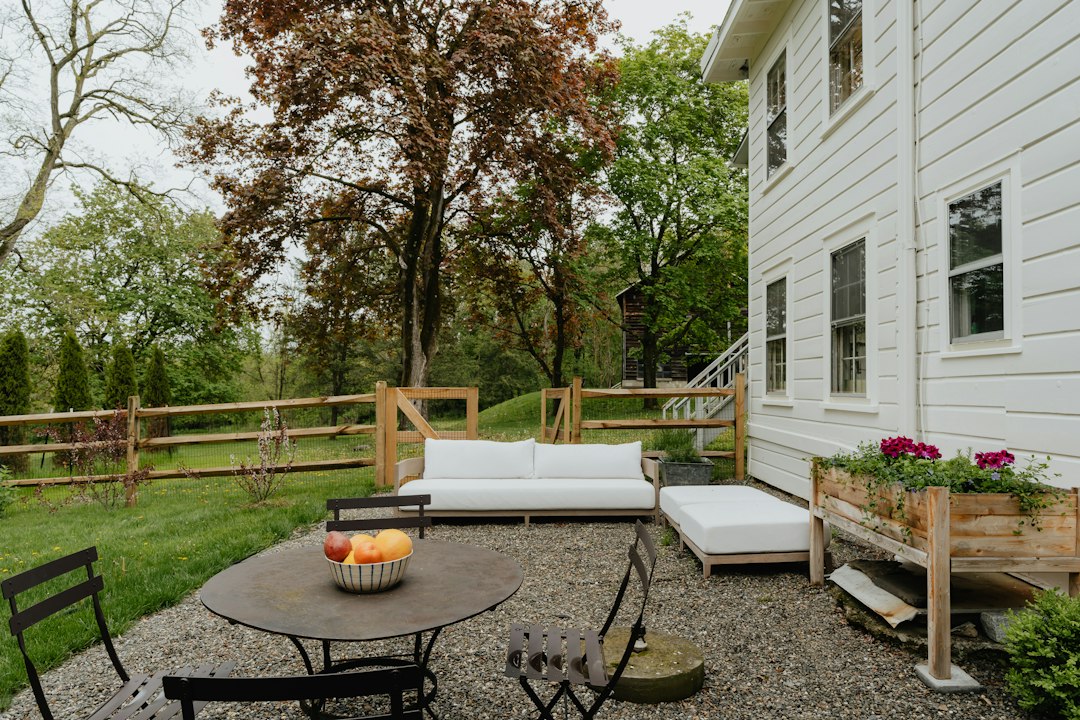
Hardscaping gives the landscape its framework. Patios create gathering areas. Walkways establish movement. Walls manage grade and define spaces. Steps connect levels. Borders and edging create clean separation between lawn, beds, and paved areas.
Without structure, a yard can feel unfinished even if the lawn and plants are healthy. The built elements help organize the property and make it easier to use. This is especially important for Michigan homes with slopes, drainage challenges, or large open yards that need definition.
Use Softscape to Add Life and Balance
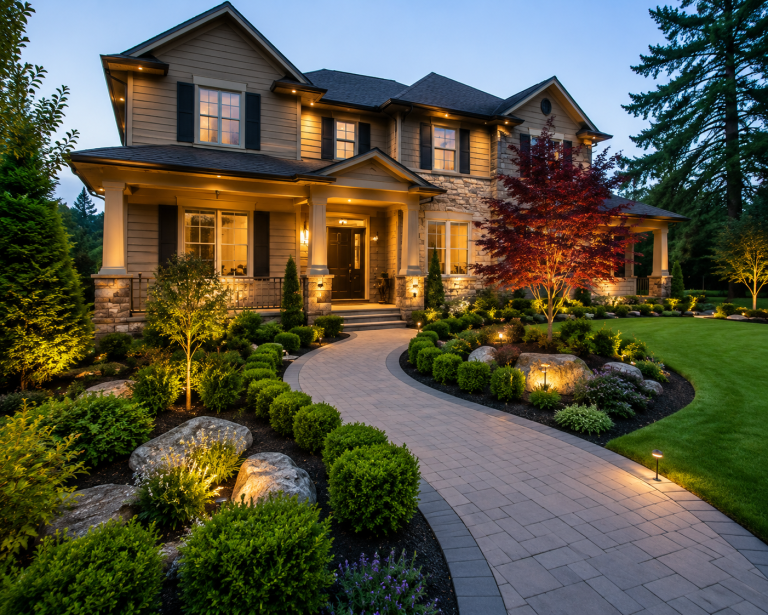
Plants soften the edges of stone, brick, and pavers. They add color, texture, privacy, shade, movement, and seasonal interest. A patio surrounded by layered plantings feels more comfortable than one sitting alone in the yard. A walkway lined with shrubs and perennials feels more welcoming than a plain path across grass.
The best softscape choices consider mature size, maintenance needs, sun exposure, soil conditions, and how the planting will look throughout the year. Evergreen structure, ornamental grasses, flowering shrubs, and perennials can all work together to keep the landscape interesting across multiple seasons.
Do Not Forget Lighting and Drainage
Lighting can bring hardscape and softscape together after dark. Step lights, wall lights, path lights, and uplighting can highlight stonework, trees, planting beds, and gathering spaces. Good lighting also improves safety and makes the outdoor space more usable in the evening.
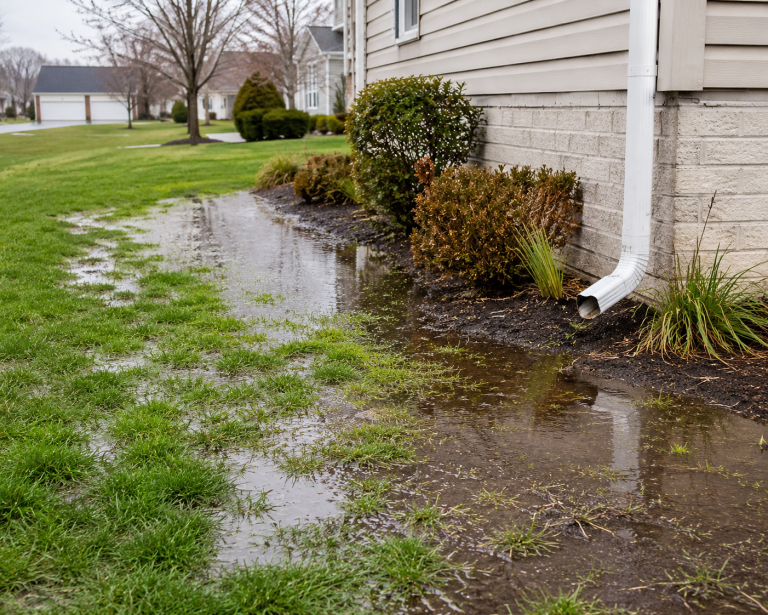
Drainage is just as important. Water should move properly around patios, walls, beds, and the home. If the grade is wrong, even a beautiful landscape can become a maintenance problem. Planning drainage early protects the investment.
Create a Landscape That Feels Complete
A finished landscape is not about adding more features. It is about choosing the right features and making them work together. When hardscaping and softscaping are balanced, the property feels more useful, more comfortable, and more visually connected.
If you are ready to plan a patio, walkway, retaining wall, planting bed refresh, or full outdoor transformation, contact Andy’s Landscape Services. Visit andyslandscapes.net or call (248) 837-0683 to schedule an estimate.