How Retaining Walls Can Transform a Sloped Michigan Yard
A sloped yard can feel difficult to use. Furniture does not sit well, mowing can be awkward, water may run toward the wrong areas, and outdoor living spaces can feel disconnected from the home. A retaining wall can change that. When designed correctly, a retaining wall does more than hold soil. It can create usable space, improve circulation, define planting areas, and give the landscape a more finished look.
Many Southeast Michigan homes have grade changes, especially in backyards that slope away from the house or drop toward neighboring properties, wooded areas, or drainage paths. Instead of treating slope as a problem, Andy’s Landscape Services can use hardscape design to make the property more functional and more attractive.
Retaining Walls Create Usable Outdoor Space
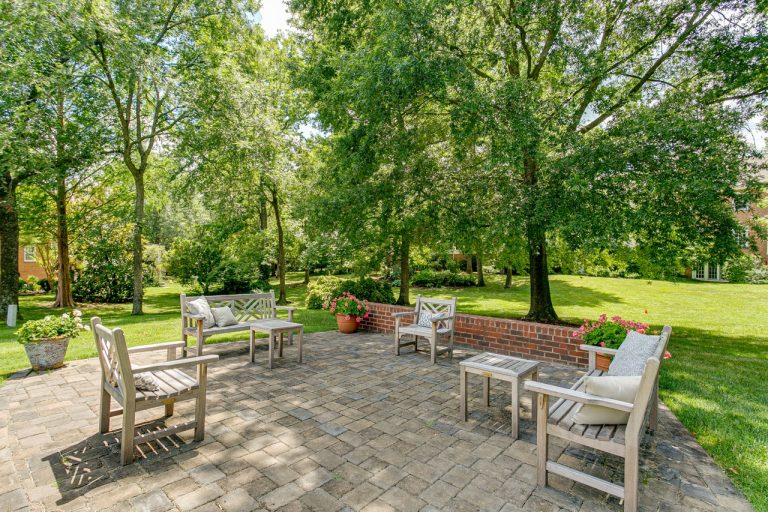
One of the biggest benefits of a retaining wall is the ability to create level areas. A sloped yard may not have enough flat space for a patio, dining area, fire pit lounge, or outdoor kitchen. By holding back soil and reshaping the grade, a wall can help create a terrace where those features can be installed safely and comfortably.
This is especially useful when designing a multi-level patio. One level can connect to the home, while another can become a fire lounge, seating area, or garden walk. Steps can tie the spaces together and make the yard feel intentional instead of divided by a difficult slope.
Walls Help Define the Landscape
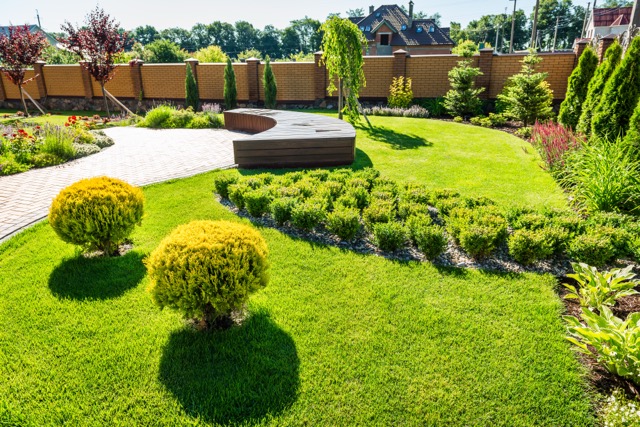
Retaining walls can also create strong visual structure. They can frame patios, separate lawn from planting beds, border walkways, or create raised gardens. A well-placed wall gives the landscape lines and layers, which can make the property feel more polished from every angle.
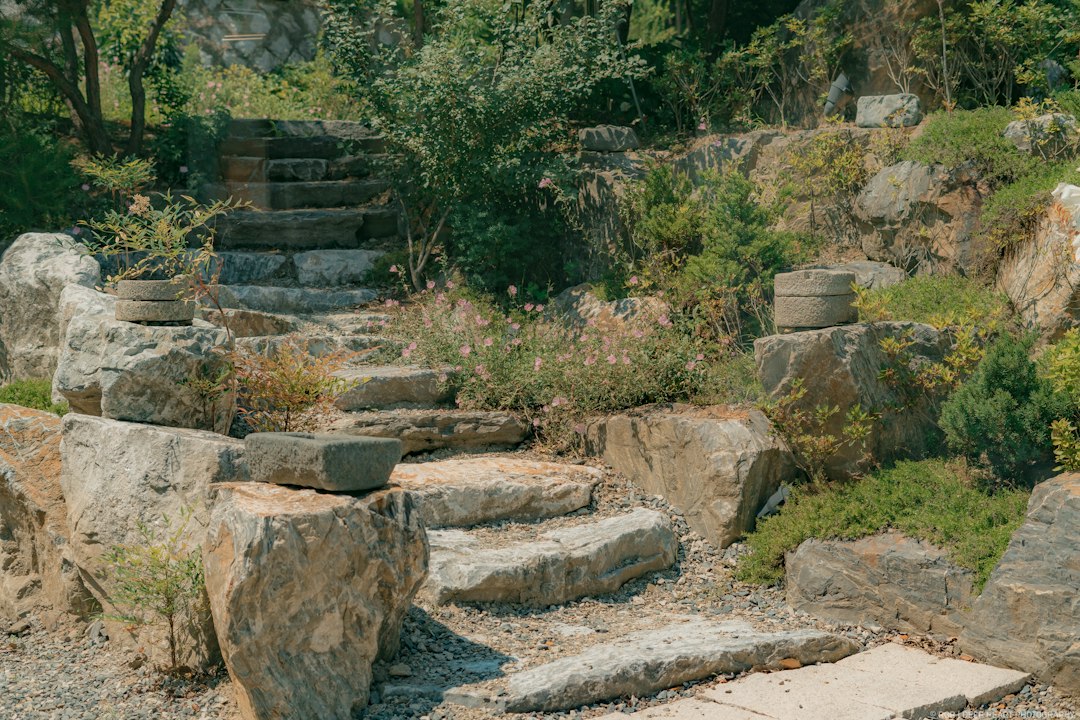
The wall material should complement the home and surrounding hardscape. Segmental wall block, natural stone, boulder walls, and cap details all create different looks. Some walls feel clean and architectural. Others feel more natural and organic. The right choice depends on the property, the desired style, and the function of the wall.
Retaining Walls Can Improve Circulation
Sloped yards often need better movement between spaces. Retaining walls can work with steps and walkways to create a clear path from the house to the patio, lawn, garden, pool, or driveway. This matters for everyday use. A beautiful backyard should be easy to move through, not just nice to look at.
Steps can be built into the wall system, or walkways can curve naturally around grade changes. Lighting can also be added to improve visibility at night and make the stonework stand out after dark.
Drainage Must Be Part of the Design
A retaining wall should never be treated as only a decorative feature. Proper drainage behind and around the wall is important for long-term performance. Water pressure, soil conditions, and runoff patterns all need to be considered during design and installation.
When drainage is ignored, walls can shift, lean, or fail over time. A professional installation includes the correct base preparation, drainage stone, pipe where needed, backfill, and grading so the wall can perform through Michigan weather.
Turn a Difficult Yard Into a Finished Space
If your yard has a slope, retaining walls may be the key to making it more usable. They can support patios, create better access, manage elevation changes, and add long-term value to the property.
To start planning a retaining wall or full hardscape project, contact Andy’s Landscape Services. Visit andyslandscapes.net or call (248) 837-0683 to schedule an estimate.